Understand Key Arboriculture Techniques for Ideal Tree Well-being
Knowing how to care for trees is important for ensuring ecological wellness. Crucial methods like pruning and mulching are extremely important in enhancing tree health. Furthermore, the right way to water are critical for developing strong roots. Nonetheless, a lot of individuals ignore the indicators of tree illness and the importance of hiring professionals. Exploring these aspects can lead to a deeper appreciation for arboriculture and trees. What measures can be adopted to guarantee their trees thrive?
Understanding the Importance of Tree Health
Recognizing the value of healthy trees is essential, as trees play a significant role in preserving the ecosystem's equilibrium and enhancing urban environments. Vibrant trees help improve the quality of the air, provide shade, and sustain animal homes. Furthermore, they help lessen environmental shifts by sequestering carbon dioxide, which makes them vital for long-term ecological health.
In city environments, healthy urban trees look better, boost real estate worth, and foster neighborhood health. Their presence can reduce city heating in cities, which saves money on energy.
Neglecting tree health, on the other hand, can lead to illness, pest infestations, and structural instability, posing risks to both the trees and surrounding infrastructure. Consequently, identifying signs of a healthy tree, like the color of the leaves, growth patterns, and the tree's outer layer, is essential for successful maintenance. In the end, fostering healthy trees supports not only private yards but also the broader ecosystem, emphasizing the need for preventative maintenance and care methods.
Vital Trimming Practices
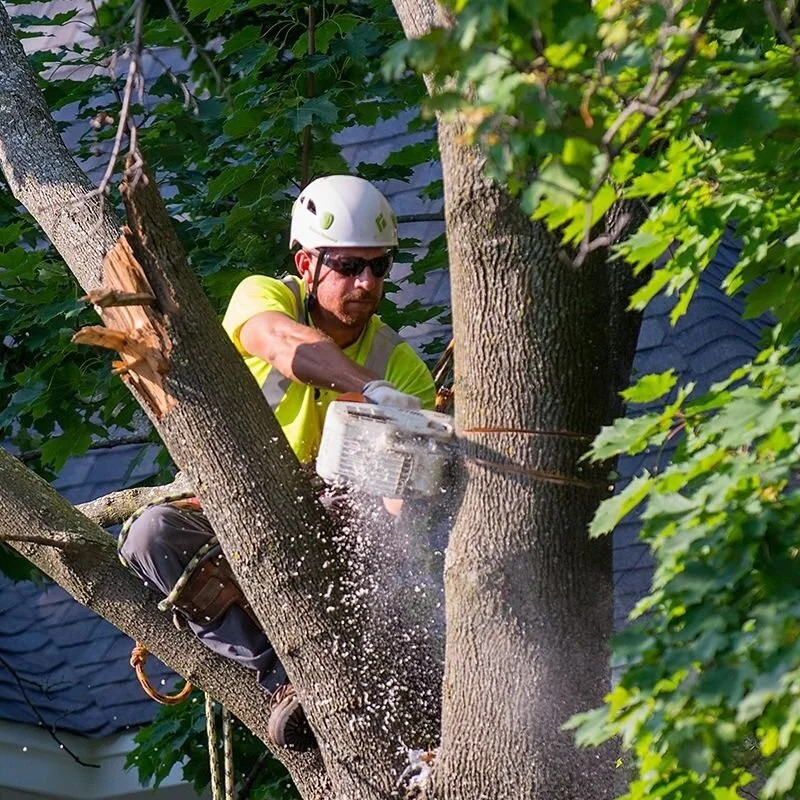
Pruning is an important practice in tree care that promotes strong growth and vitality, as it removes dead or diseased branches and improves air circulation within the canopy. Using the right methods makes certain that trees can thrive in their environment.
An essential practice is "thinning," which requires careful branch removal to enhance light penetration and decrease stress on weaker parts. 'Tip pruning' are another method, where the tips of branches are trimmed to stimulate lateral branching, mainly in juvenile trees. Additionally, the process of 'crown reduction' reduces the height and spread of a tree while preserving its inherent form.
Timing is essential; cutting during the inactive period reduces strain and optimizes healing. Pruning implements must be sharp and sterile to prevent injury and infection transfer. Understanding these important pruning techniques is crucial for any tree care professional aiming to maintain healthy and visually appealing trees.
Recognizing Typical Tree Ailments
What helps tree owners spot the indicators of typical illnesses that endanger their trees? Familiarity with key indicators is vital for quick spotting and treatment. These often include leaves that are yellowing or drooping, suggesting potential fungal issues or a lack of necessary nutrients. Strange developments, such as galls or cankers, may indicate insects are present or diseases that harm the tree's vitality. Furthermore, sap running out or bark flaking off might suggest an infection that need prompt care.
Owners must also monitor modifications to the tree's appearance, such as branches dying or leaves falling, which might indicate a serious problem beneath the surface. Watching for evidence of bug problems, like frass or bore holes, is necessary too. Through vigilance and promptness, tree owners can identify these common diseases and get the right solutions, to keep their trees healthy and vigorous throughout the seasons.
Mulching's Importance for Tree Health
Mulching is a key technique in tree care, offering numerous benefits which encourage strong development and resilience. It involves applying a layer of specific material types at the tree's base, which helps retain soil moisture, suppress weeds, and moderating temperature fluctuations. This protective barrier doesn't just limit rivalry from competing weeds but also improves the look of the landscape.
In addition, organic mulches, such as wood chips or bark, gradually decompose, adding vital nutrients to the soil and enhancing the soil's composition. This ongoing process helps roots establish and promotes a better habitat for the growing tree. Additionally, mulch application minimizes soil erosion, maintaining the stability of the tree’s foundation. When applied correctly mulch must be distributed in a circular pattern, avoiding direct contact with the trunk to prevent rot. In summary, incorporating mulching into tree care routines significantly aids to the sustained well-being of trees.
Proper Watering Practices for Trees
Quality tree upkeep needs more than just mulching but also proper watering practices to guarantee ideal growth and health. Tree specimens, specifically new plantings, demand regular water to develop robust root structures. It is vital to water deeply, as it helps roots push deeper where moisture is more consistent. Optimally, trees ought to get approximately an inch of water per week, whether through rainfall or additional watering.
Watering should be done early in the morning to cut down on evaporation and the risk of fungus. It is important to avoid overwatering, which often causes root decay and further problems. The soil should be checked for moisture before watering; should the top two inches be arid, it’s time to water. Additionally, using a soaker hose or drip irrigation offers a slow, constant flow of water, ensuring that trees receive adequate hydration without the potential for wasted water. Proper watering practices significantly aid to the overall health of trees.
Retaining Specialized Tree Care: When and Why
When considering the health and aesthetics of a property, retaining specialized arborists can be crucial for homeowners with complicated tree maintenance requirements. Professional arborists possess the expertise to evaluate the condition of trees, spot illnesses, and execute beneficial procedures. They also understand local regulations for removing trees and maintenance, guaranteeing compliance and avoiding potential fines
(Stillwater Tree Service)Property owners ought to hire experts when dealing with large trees, particularly those near structures or power lines, as improper handling can pose safety risks. Furthermore, trees requiring pruning for appearance or vitality profit from the expertise of trained specialists who can related information execute precise cuts to promote growth
Routine seasonal work, such as storm preparation and debris cleanup, also require expert help to keep the property safe and appearance. As a result, engaging professional tree services makes certain trees get the best attention, contributing positively to the overall landscape and property value
Questions and Answers
How Can I Tell if My Tree Is Overwatered?
Signs of overwatering in trees include chlorotic leaves, drooping even when the ground is wet, root rot, and excessive leaf drop. Furthermore, the appearance of mushrooms at the tree's base often suggests slow soil percolation and excess moisture.
What Is the Best Time of Year for Tree Pruning?
The optimal period to prune trees is typically late winter to early spring prior to bud break - Stillwater Tree Service. Scheduling the work then supports healthy growth and reduces the tree's strain, facilitating quick recovery and maturation
Do Trees Bounce Back After Significant Weather Events?
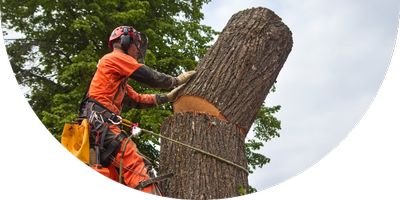
Yes, trees can recover from severe storm damage. With proper care, like trimming broken branches and supplying necessary moisture and food, many trees can regain their health and continue to thrive after experiencing significant stress.
What Is the Process for Selecting the Right Mulch for My Trees?
In order to pick the best mulch, one should consider organic materials like wood chips or bark, ensure a layer 2 to 4 inches deep, and avoid piling mulch against the trunk to minimize fungal issues.
Are Some Trees Higher Maintenance Than Others?
Certain trees, for instance, new plantings and orchard trees, demand more care due to their sensitivity to environmental changes and unique feeding requirements. Frequent checking and specific upkeep methods are vital for their condition and development.
Comments on “Insured Tree Felling Safety First”